Monthly Archives: January 2011

Strandbarmen Faerings.

Here are a few more photos from my trip to Norway. They are of some typical Hardanger or Strandbarmen Faerings that were built at the Hardanger Fartøyvern Centre. Faerings are four oared boats and the Hardanger area was famous throughout Norway for the quality of its boats.
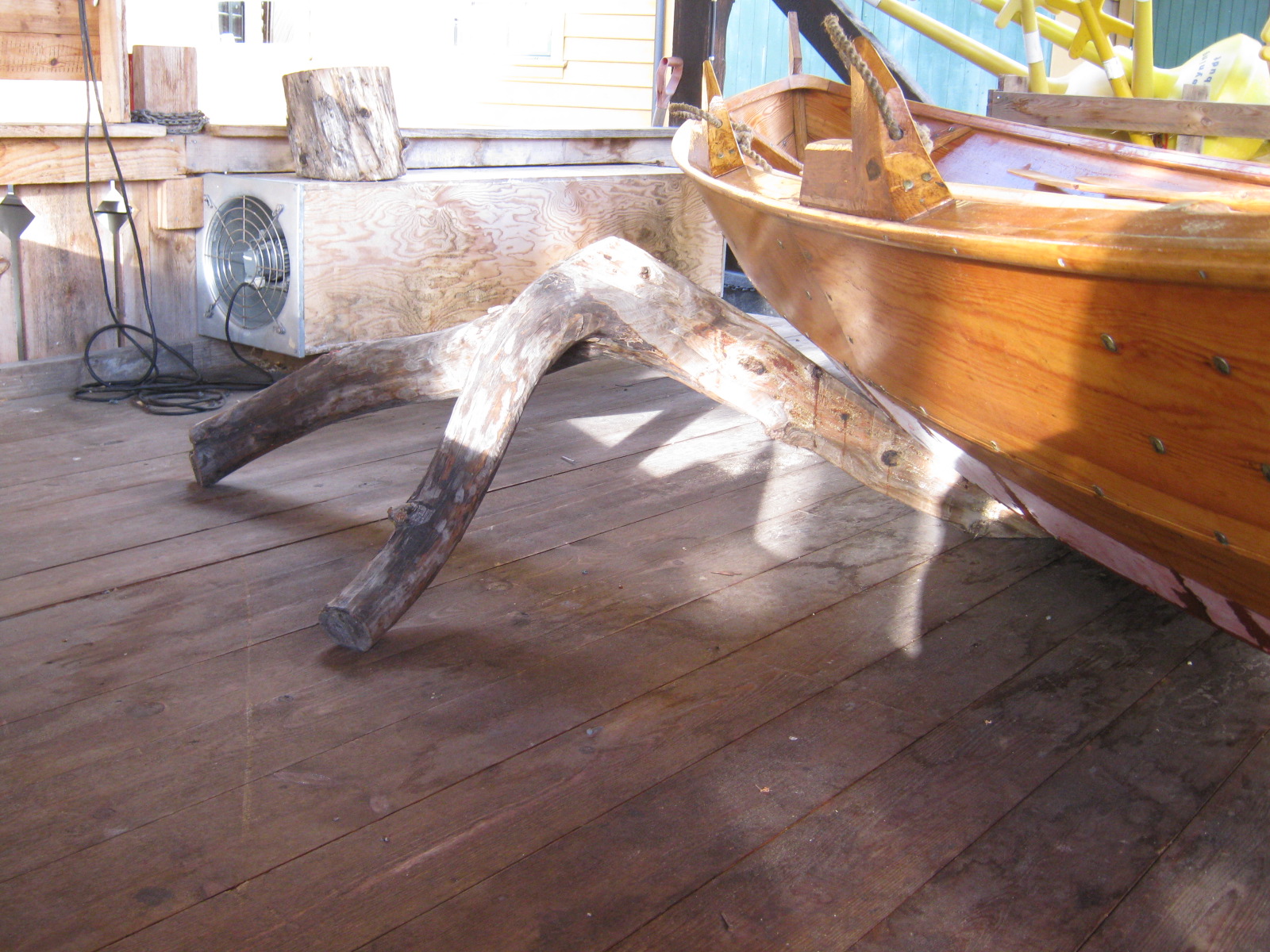
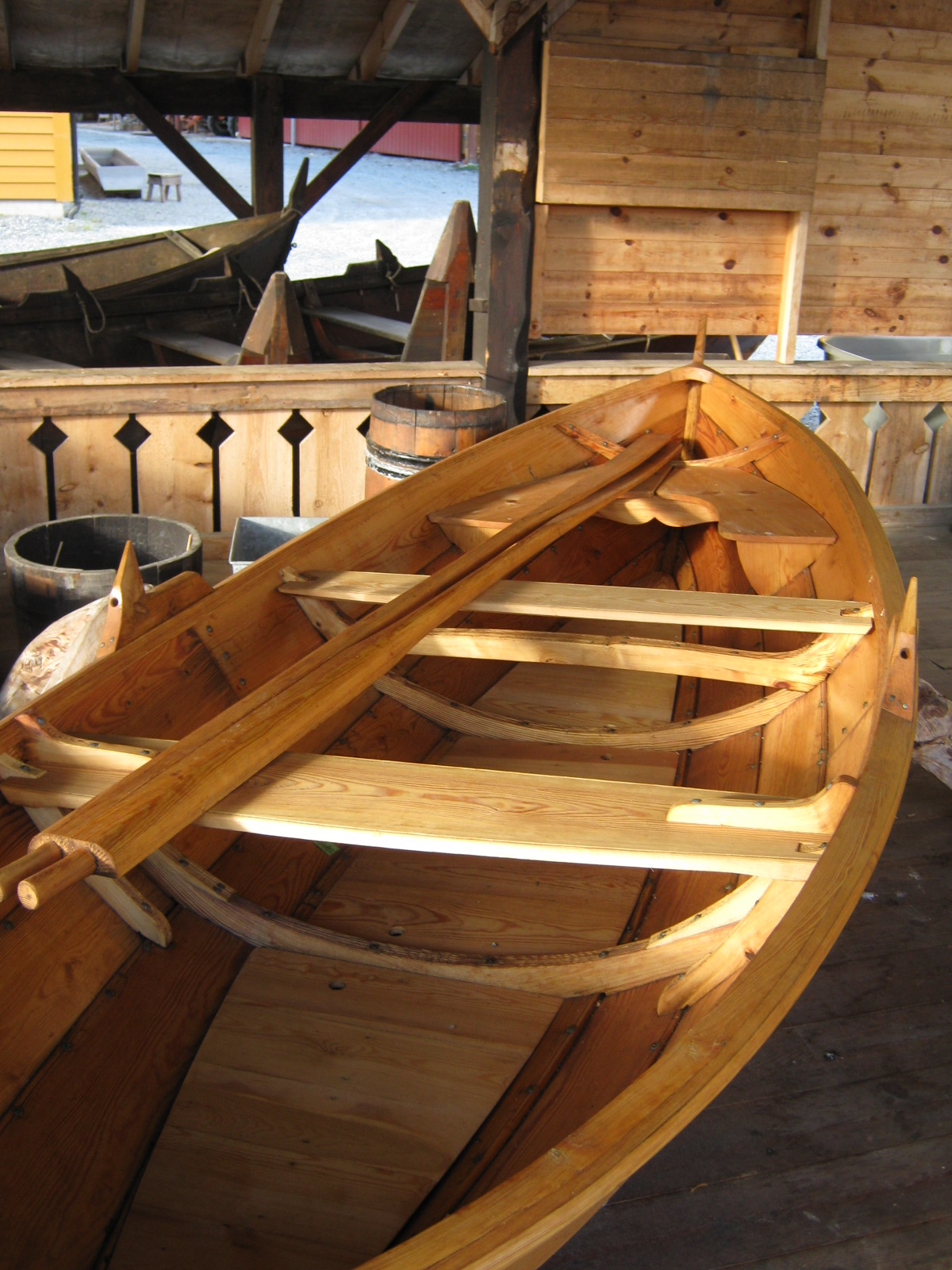
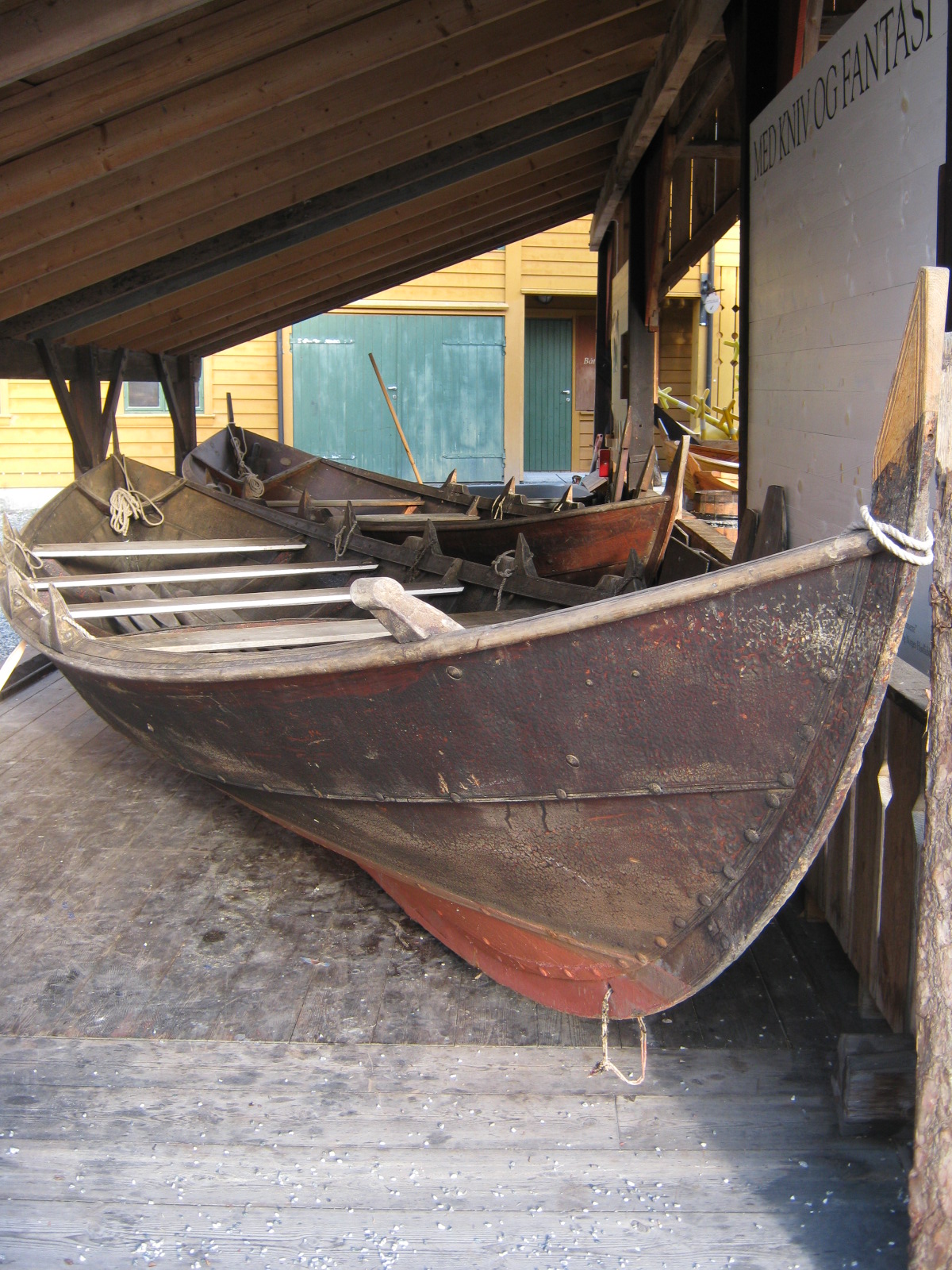
two new faerings.You can see above and in a close up below how the boats are supported on dry land. A three pronged piece of a tree is trimmed to create a tripod with one longer arm which is slid under the boat.Boat support made from three branched tree pieceBelow is a good view of the framing and thwarts of a Faering. As you can see there is a framing member below the thwart. The thwart is then removable for when more space is needed in the boat. You can also see the small stern frame called a rong, this frame is canted, that is, it’s not vertical. It’s easier to fit this way. Previously the inwales would have stopped here making the boat very flexible which was the way buyers would test a boat before buying. If it was too stiff it would be rejected as it wouldn’t ride the waves well.Frames of FaeringThe next boat is an Otring or eight oared boat. You can see in this one that the rong or forward frame is extended above the gunwale for use as a tie off point. You can also see in the stern that the inwale doesn’t extend all the way to the sternpost. Eight oar boatWhy not contact Tiernan Roe, about having your own boat built, by phoning +353 (0)28 38973 or e-mailing roeboats@ymail.com
Roeboats, Ballydehob, Co. Cork, t:+353 (0)28 38973 m: +353 (0)86 158 69 37 e:roeboats@ymail.com
Hooray! Photos from my trip to Norway.

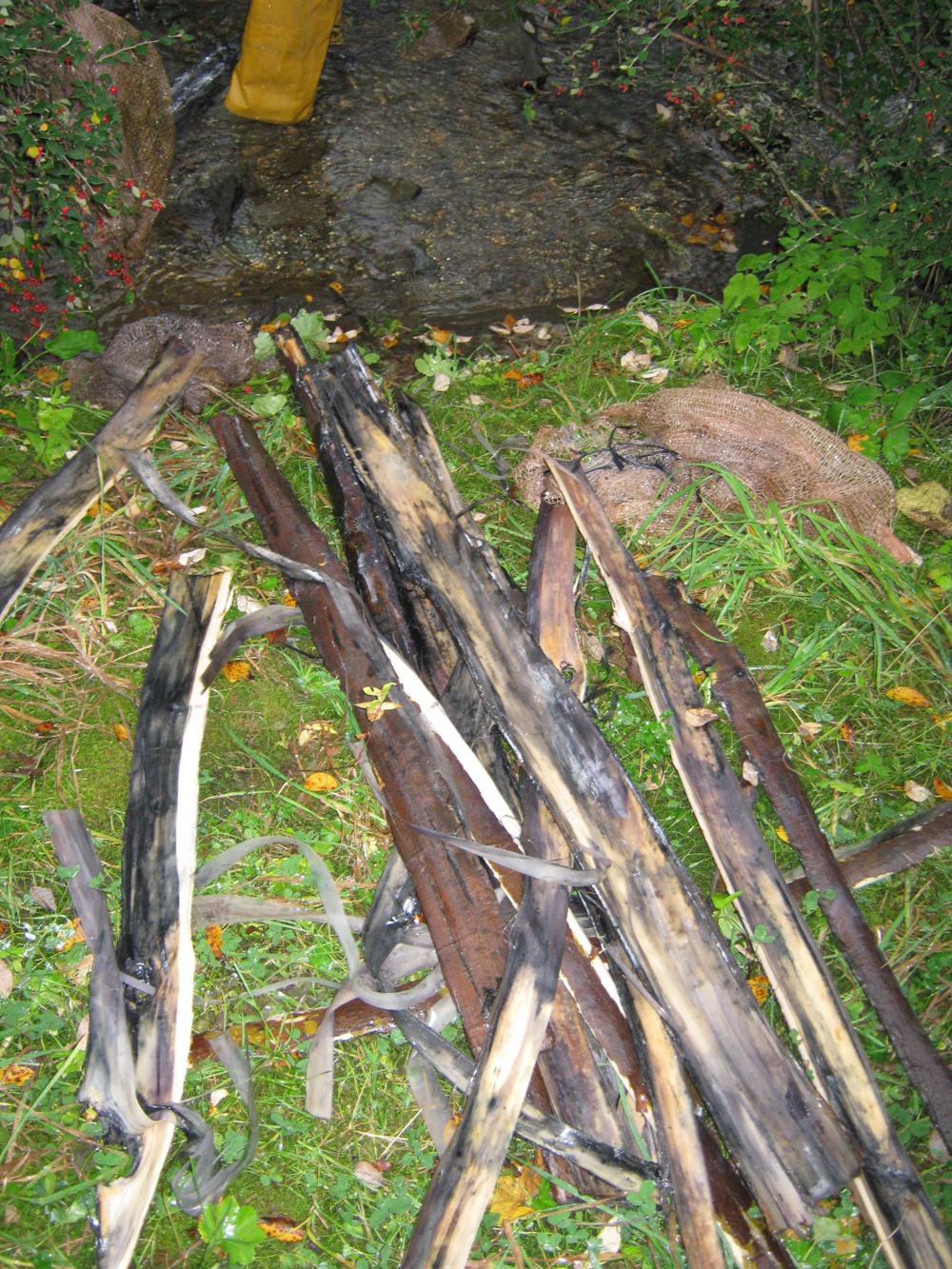
Lime tree bark after four months in the sea.Here’s some photos from my recent trip to the Hardanger Ship Preservation Centre in Norway. The first two days there I was working in the rope walk helping to make rope from lime tree bark. Apparently it’s what the vikings used and it’s a very smelly process to start with. It must be really authentic. Anyway the bark is stripped from the Lime Trees in June when the sap is running and then it is kept in the sea for a few months. It is then taken out and the smell is something woeful first thing in the morning. It’s heavy, slimey and not very pleasant stuff.

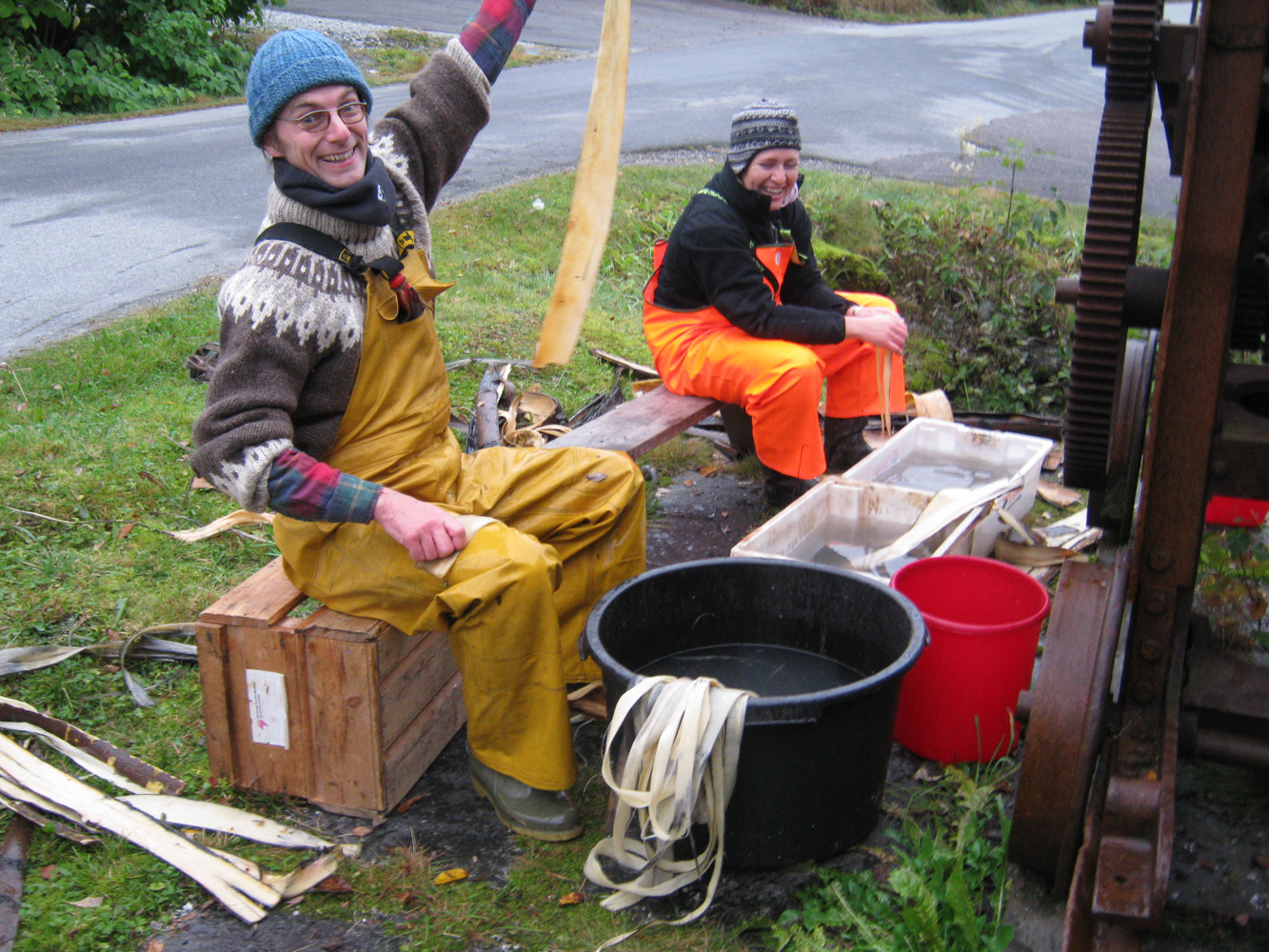
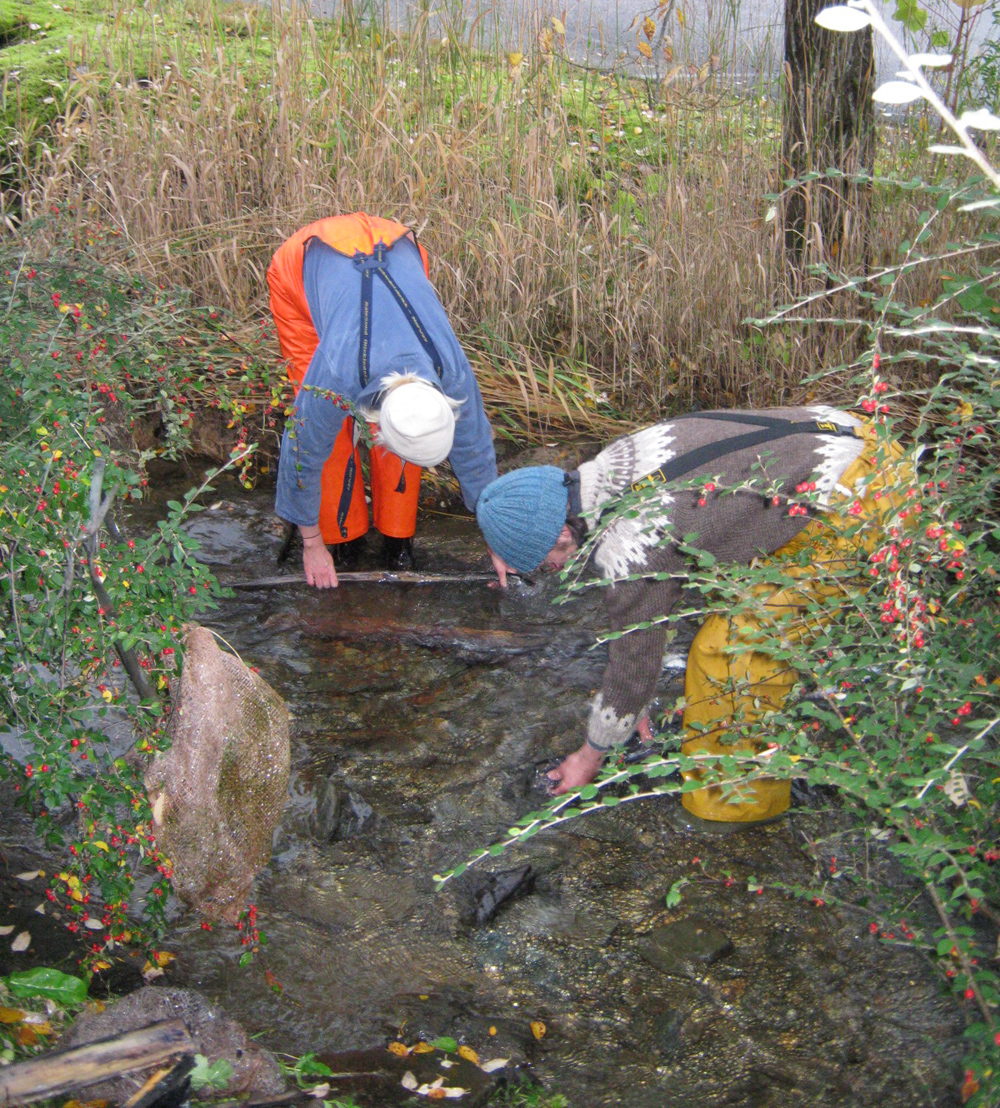
Rinsing slime off lime tree bark before splitting fiber layersSo to make it a little more manageable we’re rinsing off most of the slime and gunk before we start peeling the inner layer of the bark off to harvest the fibres that will eventually be turned into rope.

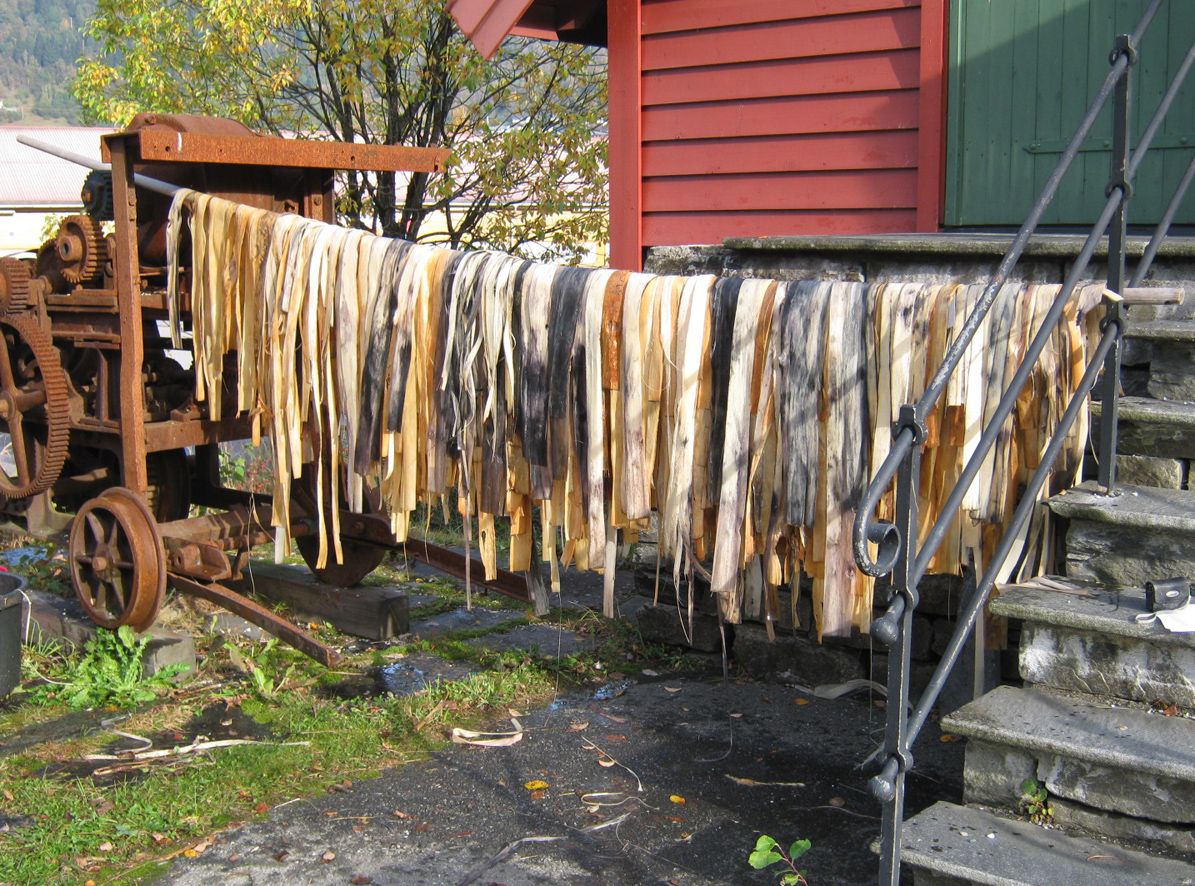
Stripping the inner layers of barkHere I am smiling, you don’t get that very often in a photo. I usually look like a bit of a prat when I try to smile. And this ones no different. I don’t know why I’m smiling it was only about 3 degrees centigrade and that water was chilly. You can see in the photo that I’m holding a piece of the bark that is then hung up to dry like in the photo below. Only the layers of fibers closed to the tree are used to make rope as they are the longest and finest. As one moves through the bark to the outside the layers develope lots of holes and the fibers are shorter and thicker.
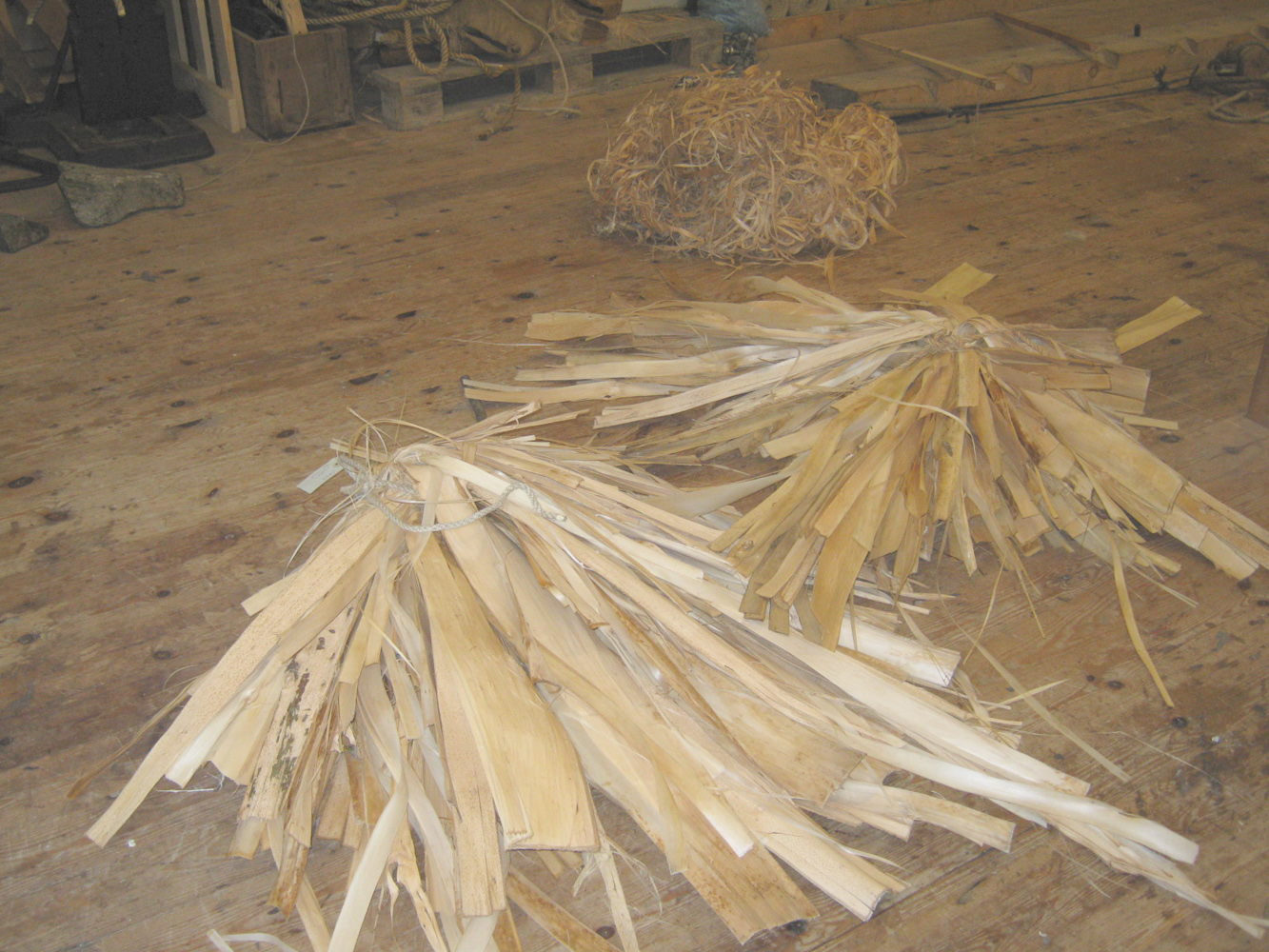
Lime tree bark swatches dryingHere you can see some of the lime tree bark fibres drying. Once the fibre sheets are dry they are again split lengthwise into strips about 5 to 10mm wide before being spun into individual strands which are then spun into rope. We didn’t get that far through the process while I was there. The two ropemakers were busy researching the now lost technique of making rope from seal and walrus skin. They told me if I thought Lime tree bark stank that I should get a noseful of putrid seal skin. Apparently you have to chew it to be able to make the rope. Ugh!

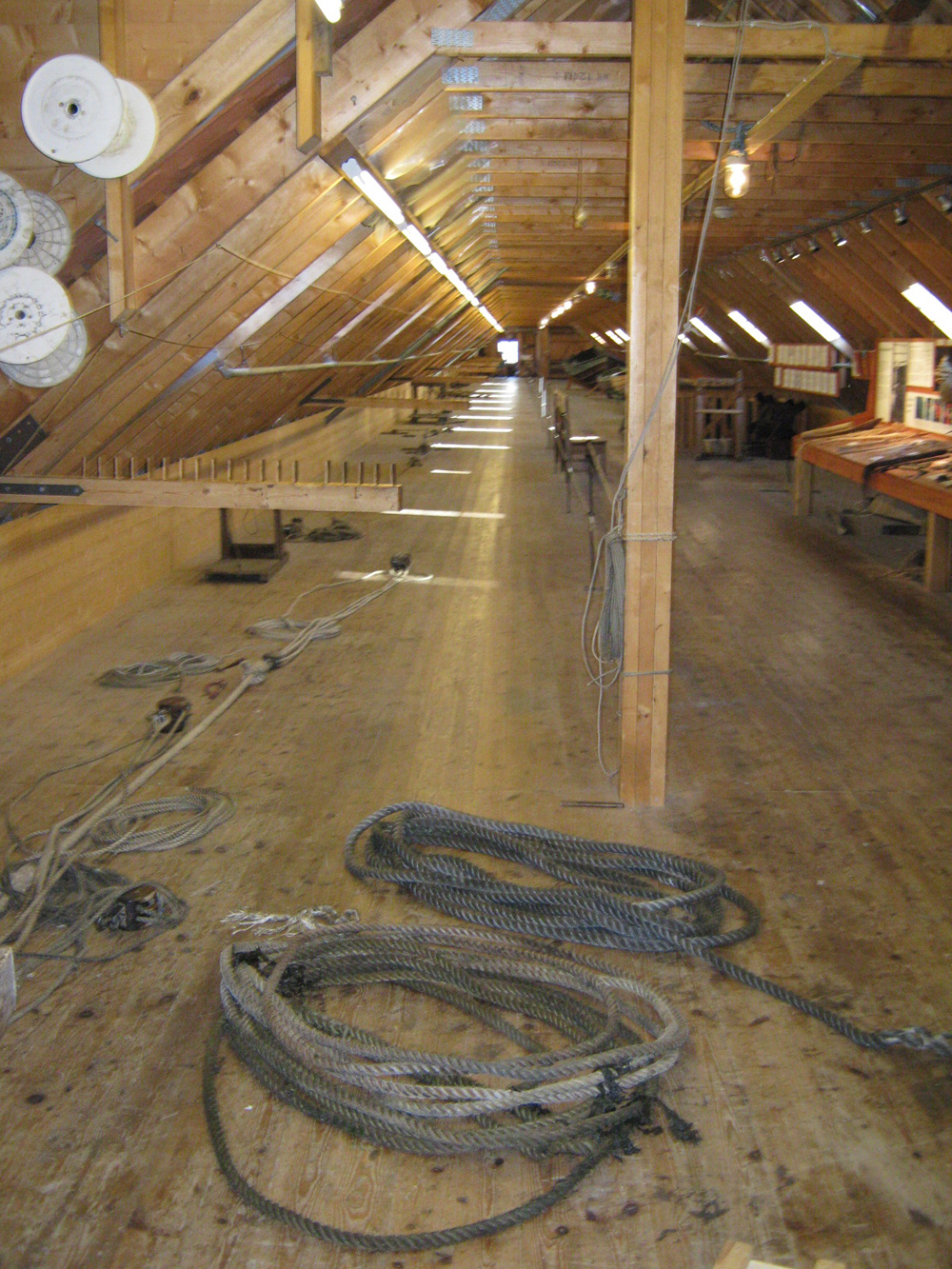
Below is a picture of the rope walk it must be about 150′ long and is where they spin custom hemp ropes for tallships and historical vessels from all over Europe. Many thanks to Anke Eckardt who kindly gave me these photos. She travelled with me to Hardanger and is also a Ballydehob based boat-builder.

Roeboats, Ballydehob, Co. Cork, t:+353 (0)28 38973 m: +353 (0)86 158 69 37 e:roeboats@ymail.com
 

Back to the Future. 21st century Wooden Boats

I came across these lovely drawings of a very nice looking launch while researching the boats of C.G. Petterson. His archive is held by the Swedish National Maritime Museum and they have a wonderful digital archive.1891 2hp petrol 22 foot launch

The boat was designed by Emil Smith in 1891 while it incorporated cutting edge technology it has retained a refined elegance that most modern power boats lack. One hundred and twenty years ago the petrol engine was only starting to become widespread, if you could even say that. A two horsepower engine was as powerful as most got, anything more powerful would have been too heavy for a fine lined boat of 22 feet with a 6 foot beam. I presume that a 2 horse power engine in 1891 had a bit more torque than a modern equivalent and as such could have turned a nice large and efficient propellor. But how about a nice quiet and powerful electric motor with a petrol generator back up? Nothing too complicated in that set up. It wouldn’t cross oceans or break speed records but it would be one very classy and eco-friendly boat. Doubly so if the batteries were recharged from wind or solar. Not impossible if it were only used at the weekend.
22 foot wooden launch from 1891 2 hp 22' long

She certainly would make a very fine dayboat with the wrap around cockpit seating and that beautiful counter stern would make her an ideal canditate for a tender for a larger classic boat. She could ferry the crew out and friends and family could watch the racing from her or go off fishing or beach hopping in 19th century splendour. Low power motor boats are the future and while engines and building materials have changed somewhat in the 120 years since this boat was designed the sea and the forces it exerts have remained the same. Beautiful fine lined and simple boats like this one will be as good in another 120 years as they were when they were first built.

Of course if you would like a silent, capable and good looking boat to travel about in the style and comfort of another era why not give me a call +353 (0)28 38973 or +353(0)86 158 69 37 or or e-mail roeboats@ymail.com to discuss having your perfect boat built.

Roeboats, Ballydehob, Co. Cork, t:+353 (0)28 38973 m: +353 (0)86 158 69 37 e:roeboats@ymail.com